


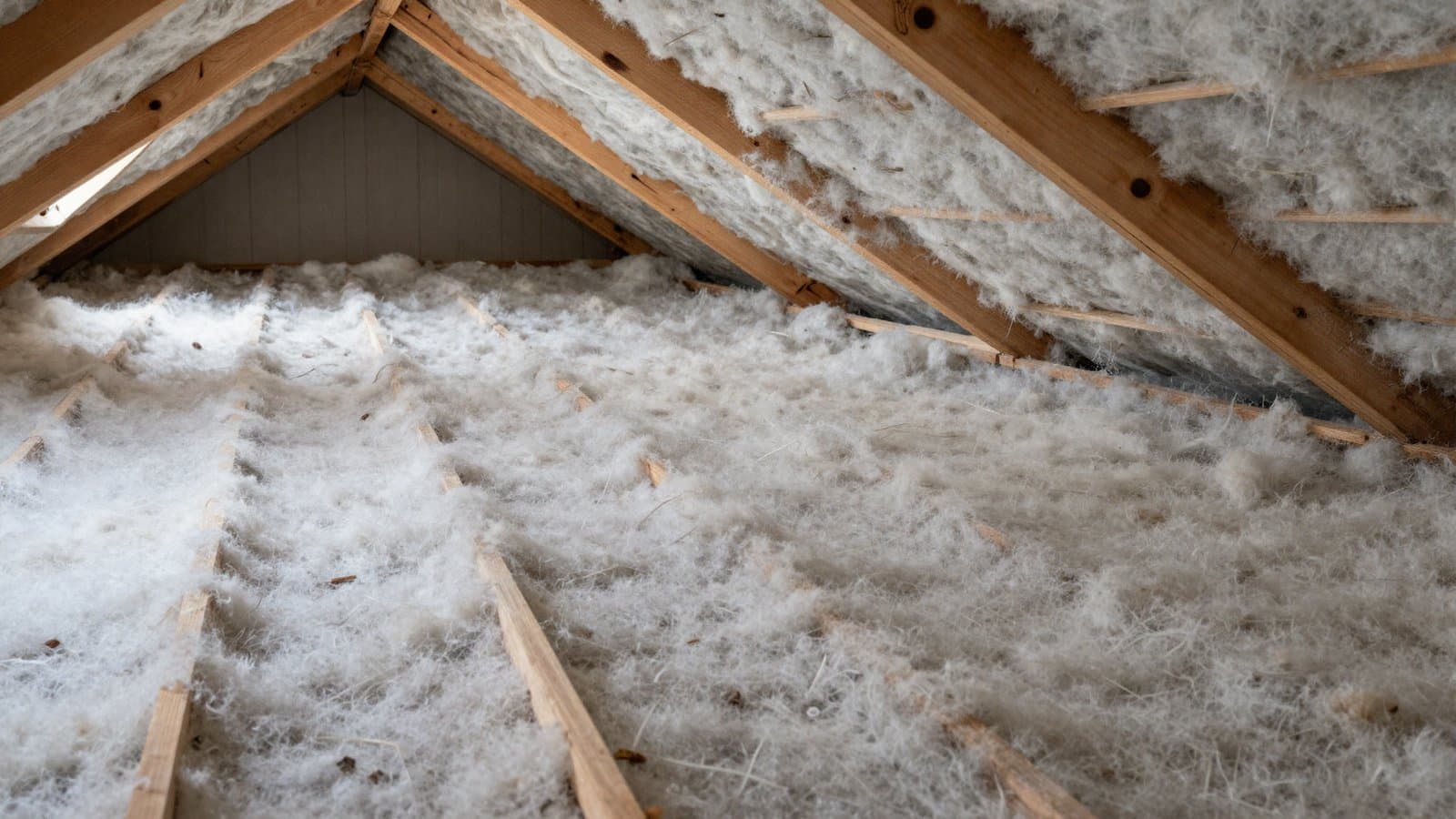
In our hot, sunny climate, homeowners often ask whether they need a radiant barrier, blown-in insulation, or both. They do different jobs, and the right answer depends on your attic and goals. At TemperaturePro Katy-Cypress, we explain the difference plainly so you invest where it helps most. A homeowner near Cane Island with a sun-baked west-facing roof saw the best results from combining a radiant barrier with a blown-in top-off—each addressing a different part of the heat problem.
Here’s how the two compare and when to use each.
How They Work Differently
- Radiant barrier – A reflective material installed in the attic that reflects radiant heat from the sun before it reaches your insulation, reducing attic temperatures.
- Blown-in insulation – Slows conductive heat transfer between your attic and living space, the core of your home’s thermal protection.
Radiant barriers reflect heat; insulation resists its flow. They address different parts of the same problem.
When to Use Each—or Both
For most Katy and Cypress homes, blown-in insulation to the recommended R-value is the foundation and the highest priority. A radiant barrier is a strong complement in homes with intense roof sun exposure or hot attics, where reflecting radiant heat further reduces cooling load. Used alone, a radiant barrier won’t replace adequate insulation; used together, they can deliver excellent results in our climate. Proper attic ventilation supports both.
Cost and Benefit Considerations
If your attic is under-insulated, dollars are usually best spent first on bringing insulation up to standard—see our cost and ROI guide and the benefits of blown-in insulation. Once insulation is adequate, a radiant barrier can add incremental summer savings. We assess your attic’s insulation level, sun exposure, and ventilation, then recommend the most cost-effective combination. Explore our full blown-in insulation services. The U.S. Department of Energy explains radiant barriers.
Why Katy Homeowners Trust TemperaturePro
We recommend the mix that delivers the most comfort and savings for your home and budget—never an unnecessary add-on. Licensed, insured, and community-trusted, we back every project with transparent pricing.
Frequently Asked Questions
Is a radiant barrier better than blown-in insulation?
Neither is “better”—they do different jobs. Blown-in insulation is the foundation; a radiant barrier reflects radiant heat and complements insulation, especially in sun-exposed attics.
Do I need both?
Not always. Adequate blown-in insulation is the priority. A radiant barrier adds value in homes with hot, sun-exposed roofs once insulation is up to standard.
Will a radiant barrier alone lower my bills?
It can help, but it won’t replace adequate insulation. The best results usually come from proper insulation first, then a radiant barrier where it makes sense.
Which should I do first?
Insulation, in almost every case. Bring the attic up to the recommended R-value first, then consider a radiant barrier for additional summer savings.
Find the Right Combination
Not sure what your attic needs? Call 281-607-5884 or request service online for an assessment in Katy, Cypress, and Greater Houston.


